
Wedding Planning in Japan
Cultural and Planning Differences International Couples May Notice
In recent years, more international couples have chosen Japan as the destination for their wedding celebrations.
Historic architecture, beautiful gardens, seasonal landscapes, and Japan’s unique sense of hospitality attract many couples from around the world.
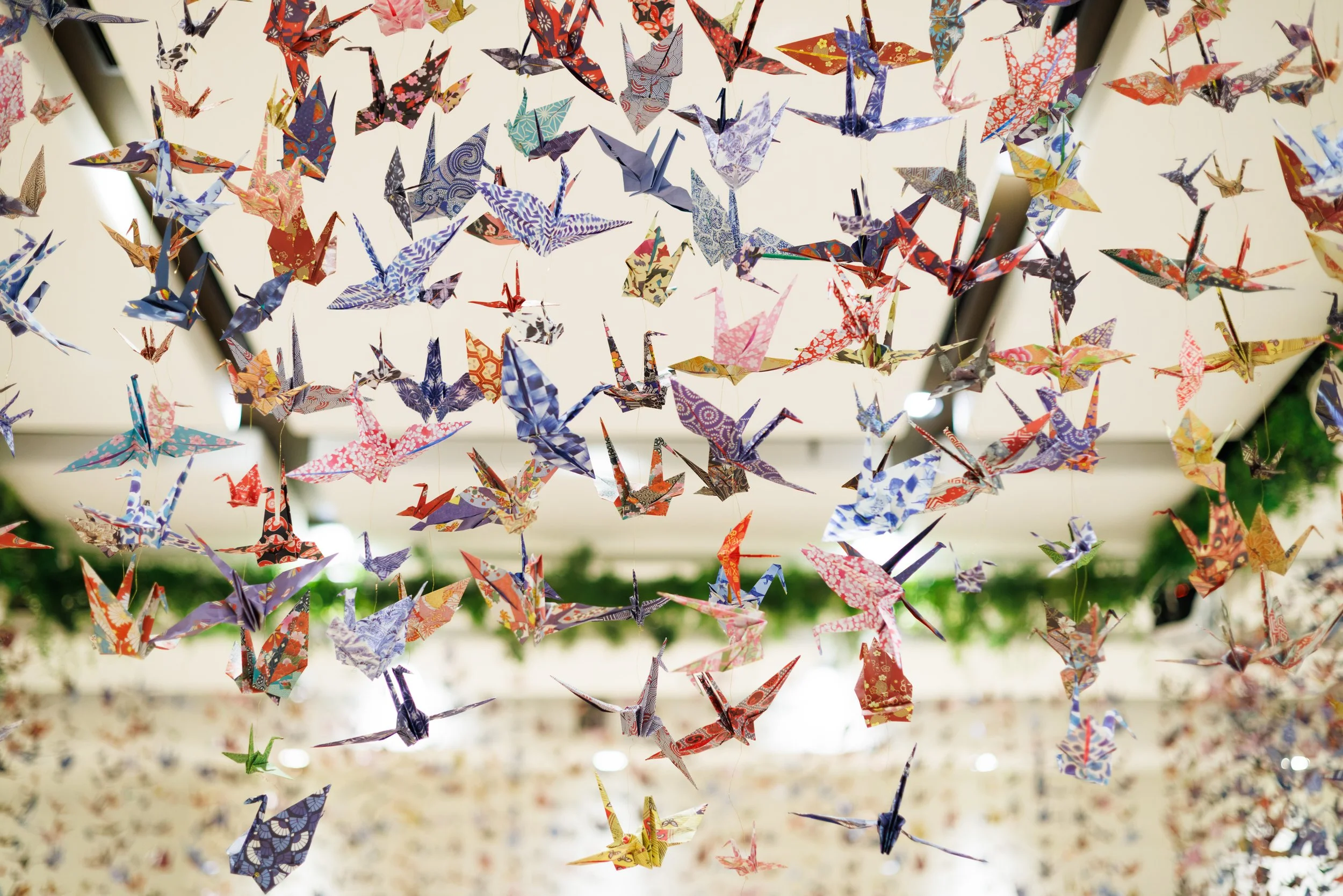
At the same time, when planning a wedding in Japan, some couples notice that the process may feel a little different from what they are used to in their home countries.
Here are a few aspects that international couples sometimes find different when planning a wedding in Japan.
Some answers may take time
In many countries, wedding venues often have a high level of flexibility, and planners may be able to give quick answers about ideas, decorations, or special requests.
In Japan, however, venues often have detailed operational policies related to safety, logistics, and event management.
When couples request special ideas or custom elements, planners usually need to confirm them with the venue and sometimes with multiple vendors.
Because of this process, it may occasionally take some time before we can provide a clear answer.
The background of Japanese wedding venues
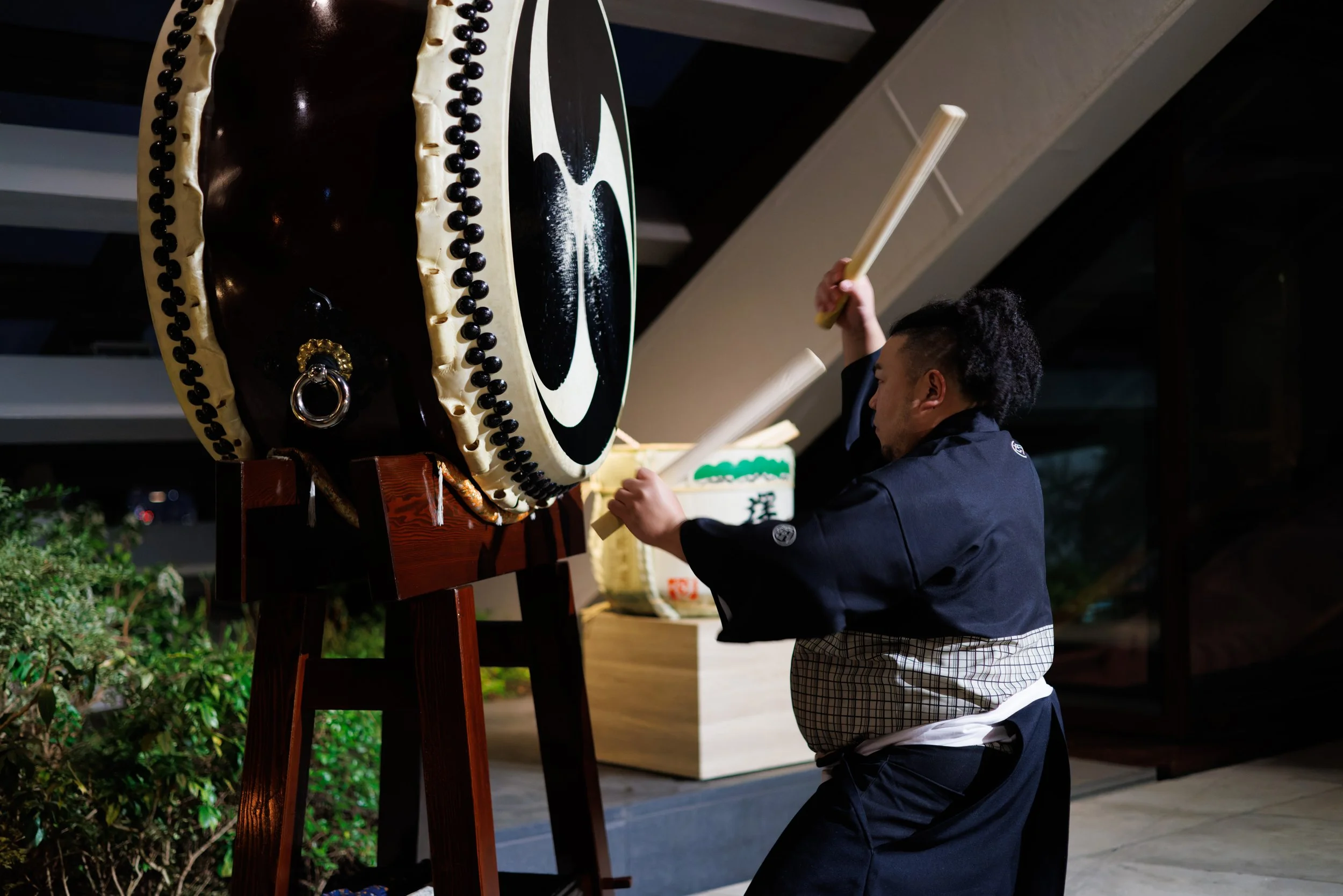
Historically, many wedding venues in Japan operated with a more standardized format.
This system is sometimes referred to as a “cookie-cutter” style, where multiple weddings are scheduled in one day following a similar timeline and structure.
Because of this tradition, certain rules regarding decorations, outside vendors, or event timing may exist at some venues.
However, in recent years a new field has been growing — international destination weddings in Japan.
More couples are hoping to create weddings with a longer, more relaxed schedule, and with greater flexibility in design and experiences, similar to celebrations often seen overseas.
As a result, many venues are gradually becoming more open to flexible arrangements.
The role of the wedding planner
Making this type of wedding possible often requires careful coordination.
Wedding planners work closely with venues and vendors, using their experience and established relationships to help negotiate possibilities and find solutions that align with the couple’s vision.
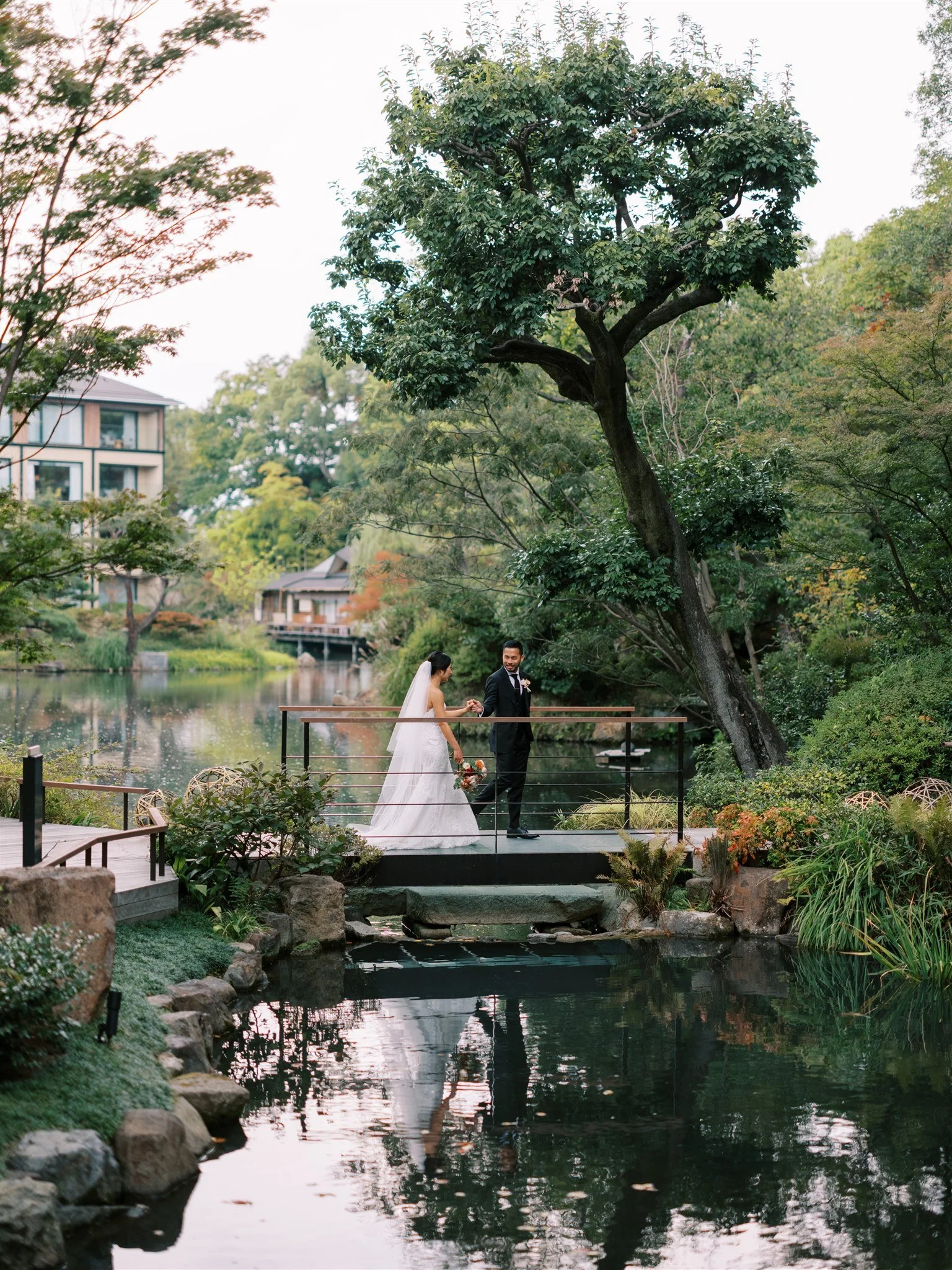
Because each request may involve discussions with several professionals, the process can sometimes take time.
However, this collaboration is often what allows a celebration to run smoothly and beautifully on the wedding day.
Careful preparation is part of Japanese hospitality
In Japan, careful preparation is often considered an important form of hospitality.
Many details are thoughtfully arranged behind the scenes so that the celebration itself can unfold naturally and smoothly.
This is one reason many international couples later comment on how seamless and well-organized their wedding day in Japan felt.
Bridging cultures in wedding planning
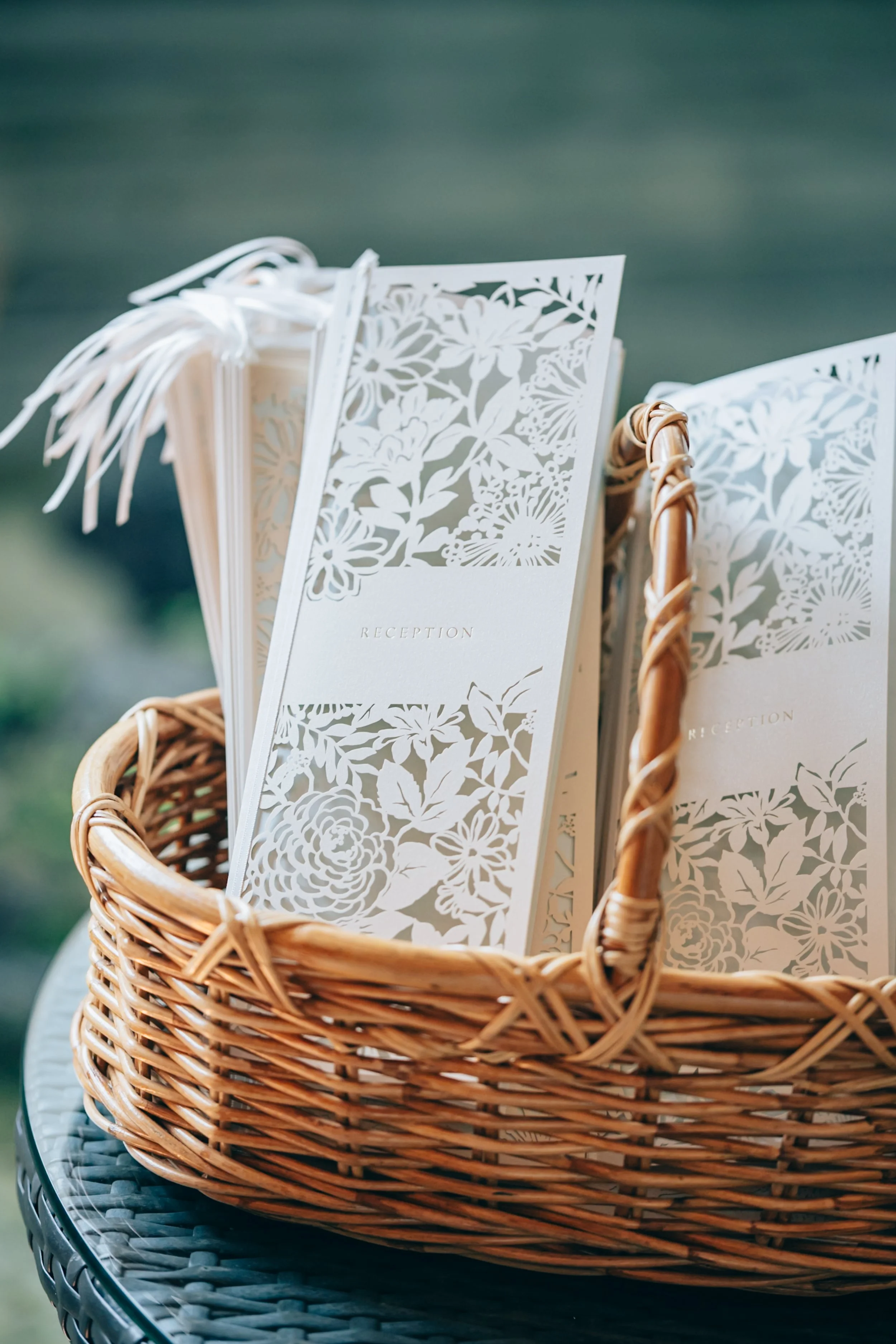
Wedding culture in Japan is currently evolving.
Traditional wedding practices and international destination wedding styles are gradually influencing each other, creating new possibilities.
As wedding planners, part of our role is to serve as a bridge between these two worlds.
By understanding both the operational culture of Japanese venues and the expectations of international couples, we work to create celebrations that respect the local environment while also reflecting the couple’s unique vision.
Japan offers extraordinary spaces, beautiful seasonal settings, and a deep tradition of hospitality.
When these elements are thoughtfully combined with a couple’s personal style, the result can be a wedding that feels both meaningful and unforgettable.